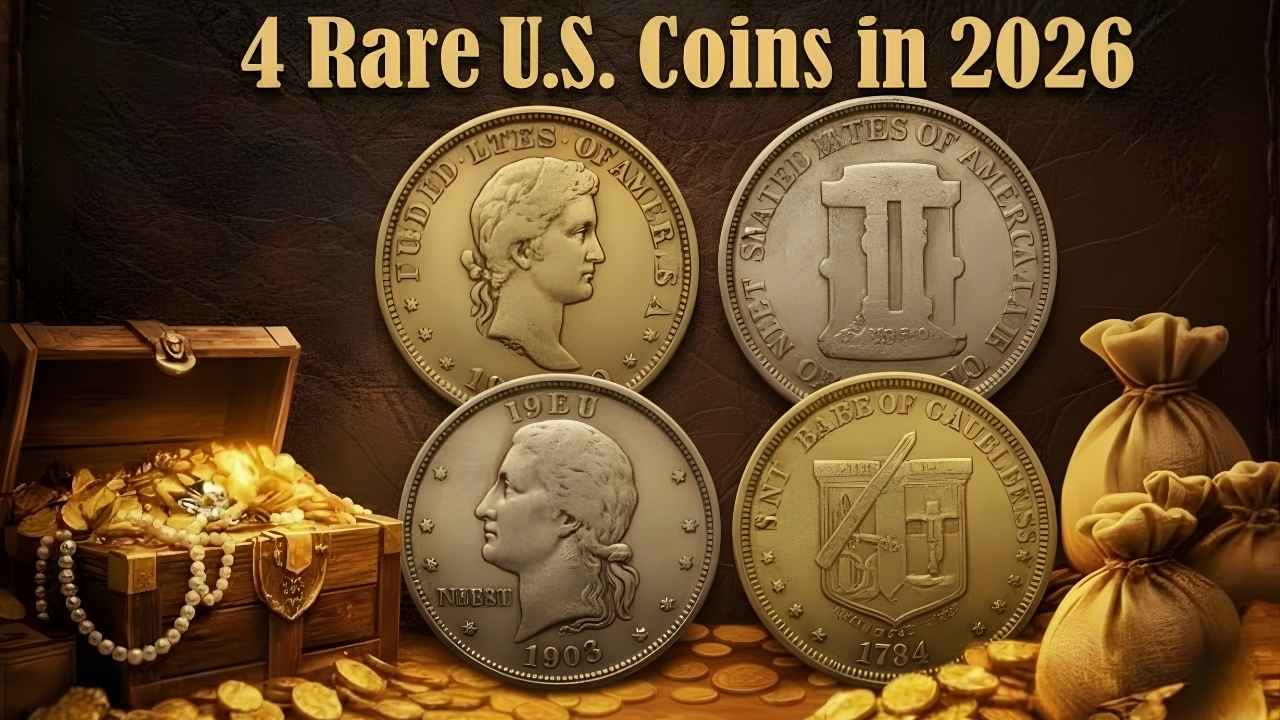
Coin collecting has evolved from a quiet hobby into a fast-growing market where history, art, and investment potential meet. In 2026, collectors are more active than ever, driven by online marketplaces, grading technology, and growing interest in tangible assets. While millions of coins exist, only a select few are considered genuinely rare. These pieces stand apart because of unusual minting circumstances, extremely limited production, or fascinating backstories tied to their creation. Many of these treasures were produced by the United States Mint during periods when mistakes or experimental changes unintentionally created collectibles.
The Legendary 1913 Liberty Head Nickel Story
Few coins hold mythical status like the 1913 Liberty Head nickel. Only five confirmed examples are known, and each has been carefully tracked by collectors and historians for decades. The intrigue surrounding this coin comes from the fact that it was never officially authorized for public release. Experts still debate how the coins were made, which only adds to their mystique. Whenever one surfaces at auction, it draws worldwide attention and can sell for millions. For serious collectors, owning this coin represents the ultimate achievement, comparable to possessing a rare masterpiece in the art world.
The Accidental Rarity of the 1943 Copper Penny
During World War II, copper was reserved for military supplies, so pennies dated 1943 were supposed to be struck using steel. However, a small number were mistakenly made from leftover copper blanks. These error coins became legendary because they were never intended to exist. Even heavily circulated examples can command astonishing prices, while pristine pieces have sold for staggering sums. Their appeal lies in the perfect combination of historical significance and production error, a pairing that collectors find irresistible.

The Famous 1955 Doubled Die Penny Error
Among all mint mistakes, the 1955 doubled die penny is one of the most dramatic. The doubling effect is visible in the numbers and lettering without needing magnification, making it one of the easiest valuable errors for beginners to recognize. Because the flaw was obvious, many were spotted and removed early, reducing surviving numbers. Today, collectors treasure this coin not just for its value but for its bold visual uniqueness. It serves as proof that even coins released into everyday circulation can later become prized collectibles.
The Modern Surprise of the 2004 Wisconsin Quarter
Not all rare coins are ancient. Some modern pieces have become valuable due to small design anomalies. The 2004 Wisconsin state quarter is a perfect example. Certain versions display an extra leaf on the corn stalk design, a detail caused by a die flaw during production. Two main varieties exist, commonly nicknamed the high leaf and low leaf types. Because these quarters entered circulation normally, a few still appear in pocket change from time to time. Depending on condition, they can sell for hundreds or even thousands of dollars, proving that valuable coins are not always locked away in museums.
What Makes Certain Coins So Valuable
Several factors determine whether a coin becomes rare and desirable. Limited mintage is one of the biggest drivers, since fewer coins automatically mean higher demand among collectors. Errors also play a major role, especially when they are visible and distinctive. Historical context adds another layer of value, as coins tied to important periods or events often attract wider interest. Finally, condition is critical. A well-preserved coin can be worth many times more than the same coin showing heavy wear. Collectors carefully store their finds in protective holders to maintain quality over time.

Tips for Spotting Potential Treasures
Anyone can begin searching for rare coins with a bit of patience and attention to detail. Start by examining dates, mint marks, and unusual design elements. A magnifying glass and strong lighting can reveal subtle differences that might otherwise go unnoticed. Comparing coins with trusted reference guides helps confirm whether something unusual is truly valuable. When a coin appears promising, professional grading services can authenticate it and assign an official condition rating. This step is essential, since counterfeits do exist in the collectibles market.
Final Verdict
Rare coins continue to fascinate collectors in 2026 because they combine scarcity, history, and the excitement of discovery. From mysterious early twentieth-century rarities to modern minting surprises, each valuable coin tells a story far beyond its face value. For those willing to study details and inspect their change closely, the next remarkable find might already be hiding in plain sight, waiting to be recognized.