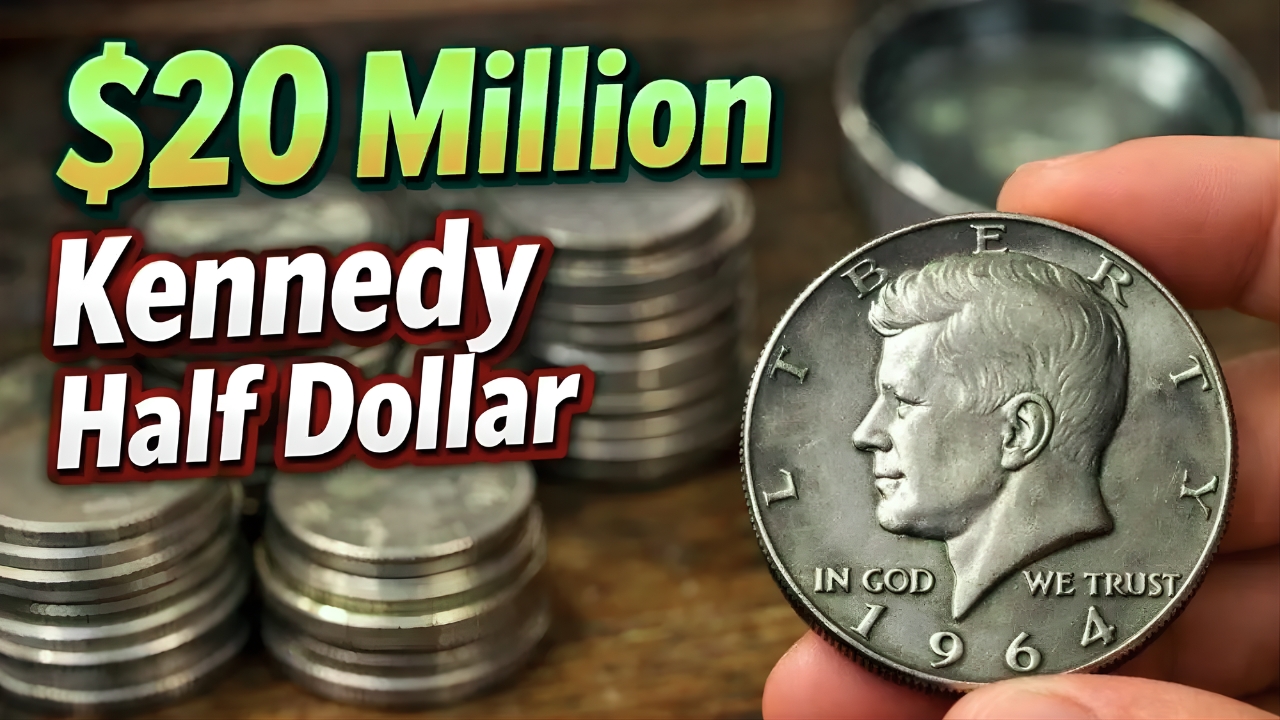
The Kennedy half dollar has remained one of the most recognized U.S. coins since its debut in 1964. Created shortly after President John F. Kennedy’s assassination, the coin quickly became both a memorial and a collector favorite. More than sixty years later, it continues to attract attention from hobbyists and investors alike. In 2026, interest remains steady, with certain dates and high-grade examples commanding strong premiums in the marketplace.
Why 1964 Still Leads the Pack
The first year of issue holds a special place in the series. The 1964 Kennedy half dollar was struck in 90 percent silver, giving it intrinsic bullion value in addition to collector appeal. Even well-circulated examples typically sell above melt value, while uncirculated coins and proofs can bring significantly higher prices. Many collectors aim to secure at least one pristine 1964 example, as it represents both a historic moment and the only year the coin was minted in 90 percent silver.
The Shift from Silver to Clad
Rising silver prices in the mid-1960s prompted a change in composition. From 1965 through 1970, the coin contained 40 percent silver. These transitional issues remain popular because they still offer precious metal content, though less than the inaugural year. In 1971, the half dollar shifted to a copper-nickel clad composition, removing silver entirely from regular circulation strikes. While most clad coins trade close to face value, select high-grade pieces and rare mint errors can still attract strong bids from collectors.
Key Dates That Drive Value in 2026
Several dates stand out in the Kennedy half dollar series. The 1964 Accented Hair proof is especially desirable due to subtle design differences in the portrait. The 1970-D issue is another standout, as it was only released in mint sets and marks the final year of 40 percent silver production. Modern rarities also generate excitement, including the 1998-S matte finish proof, which had limited distribution and remains a sought-after piece. Coins featuring dramatic errors, such as double dies or off-center strikes, continue to bring premium prices at auction.
Condition Is Everything
In today’s market, condition can make an enormous difference in value. A circulated silver half dollar may be worth modestly above melt, but the same coin in near-perfect mint state condition can sell for many times more. Professional grading services evaluate coins on a 70-point scale, assessing factors such as luster, surface preservation, and strike sharpness. Collectors in 2026 are increasingly focused on certified examples, particularly those graded at the higher end of the scale. Proof coins, struck specifically for collectors with polished dies and mirrored fields, also remain in high demand.
2026 Market Trends and Collector Behavior
The coin market in 2026 reflects a growing interest in tangible assets. Silver prices influence early Kennedy half dollar values, but numismatic demand plays an equally important role. Many collectors pursue full date-and-mintmark sets, a challenge that keeps steady demand for scarcer issues. Online auctions and digital marketplaces have made it easier than ever to buy and sell coins, increasing price transparency and competition for top-quality examples.

At the same time, younger collectors are entering the hobby, often drawn by the historical significance of the series. The Kennedy half dollar serves as a bridge between modern coinage and mid-20th-century history, making it accessible yet meaningful. This broad appeal helps support consistent long-term demand.
Estimated Value Ranges in 2026
While prices fluctuate with silver markets and grading standards, general value ranges provide a helpful guide. Circulated 1964 silver halves commonly trade between $12 and $20, with higher-grade pieces reaching far beyond that. The 1965–1970 40 percent silver issues typically sell in the $5 to $15 range in average condition. The 1970-D often commands $25 or more due to its limited release. Clad coins from 1971 onward usually remain near face value unless found in exceptional condition or as proofs. Special varieties like the 1998-S matte proof can reach several hundred dollars, especially in top grades.
Smart Collecting Strategies
Collectors looking to build value in 2026 often begin with silver issues, as these provide both historical and intrinsic worth. Pursuing key dates and recognized varieties can add depth and potential upside to a collection. Many experienced hobbyists recommend focusing on quality rather than quantity, choosing fewer coins in superior condition instead of accumulating large numbers of common pieces. Staying informed about grading standards and market shifts is equally important for making confident purchases.
The Enduring Appeal of the Series
Few U.S. coins combine history, artistry, and accessibility as effectively as the Kennedy half dollar. Its introduction marked a moment of national remembrance, and its continued production keeps it relevant today. Whether valued for silver content, rarity, or sentimental connection, the series offers something for every level of collector.
Final Thoughts
The Kennedy half dollar value chart for 2026 reveals a market shaped by silver prices, collector demand, and the enduring fascination with a historic design. While most examples remain modestly priced, key dates, rare varieties, and high-grade coins continue to command impressive premiums. For collectors willing to study the series and focus on quality, the Kennedy half dollar remains a rewarding and potentially valuable pursuit.
