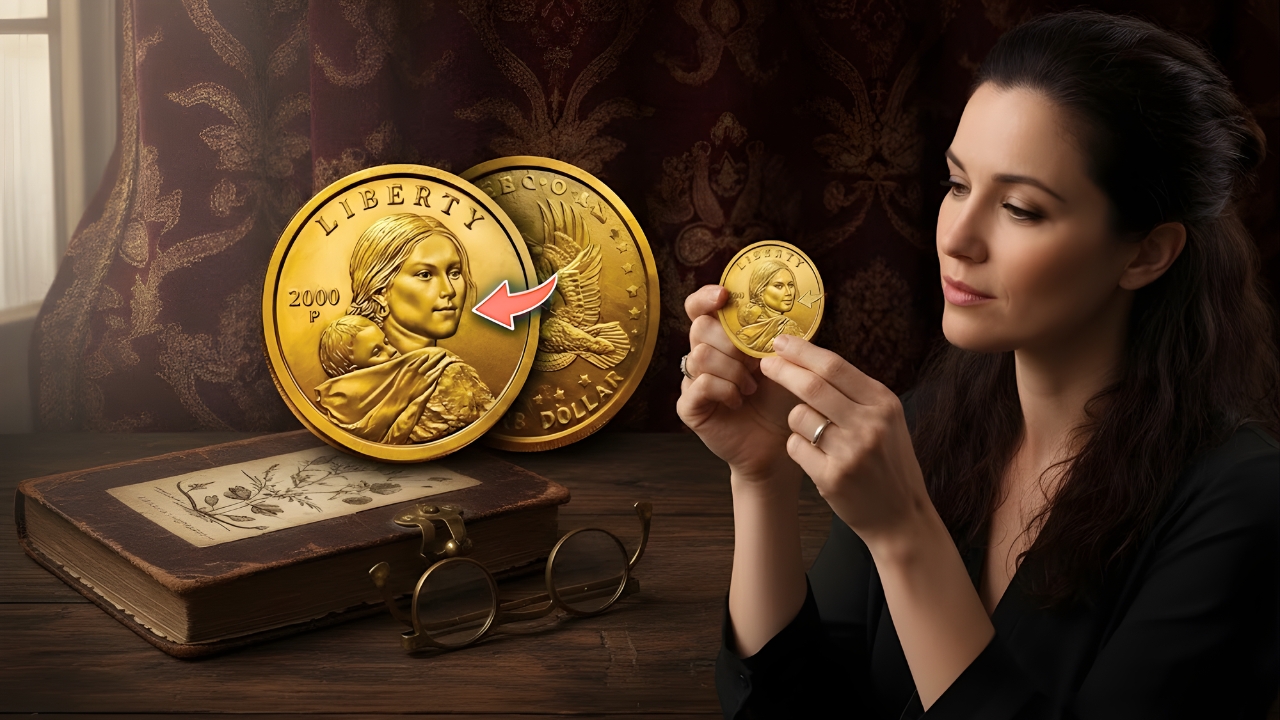
The Sacagawea Dollar may look like an ordinary golden $1 coin, but for collectors, it represents one of the most fascinating modern coins in American history. First released in 2000, this coin honors Sacagawea, the Shoshone woman who guided the Lewis and Clark expedition. While millions were minted for circulation, a few rare varieties and errors have transformed certain pieces into highly sought-after treasures, with some rumored to reach astonishing values in private markets.
For most people, the Sacagawea Dollar in their wallet is worth exactly one dollar. But under the right conditions, specific versions can command hundreds, thousands, or even more depending on rarity, demand, and condition. Understanding what makes these coins valuable is the key to spotting a hidden gem.
What Is the Sacagawea Dollar and Why Was It Created?
The Sacagawea Dollar was introduced by the United States Mint in 2000 to replace the unpopular Susan B. Anthony dollar. Lawmakers wanted a coin that was visually distinct, easy to recognize, and practical for daily use. To achieve this, the Mint chose a manganese-brass composition that gave the coin its unique golden color.
The obverse features a portrait of Sacagawea carrying her infant son, Jean Baptiste, symbolizing guidance and resilience. The reverse originally displayed a soaring eagle. Starting in 2009, the reverse design began changing annually under the Native American $1 Coin Program, highlighting important contributions of Native Americans throughout U.S. history.
Despite its thoughtful design, the coin never gained widespread popularity in everyday transactions. Americans preferred paper dollar bills, which limited circulation. Ironically, this limited use helped preserve many uncirculated examples, increasing their appeal to collectors.
Sacagawea Dollar Value Overview in 2026
Most Sacagawea Dollars found in circulation today remain worth face value. However, condition and variety make a significant difference.
Common circulated coins typically sell for $1. Uncirculated examples in mint state condition can range from $2 to $10 depending on grade. Proof coins from the San Francisco Mint often sell between $5 and $50 or more in high grades.
The most famous and valuable variety is the 2000-P Cheerios Dollar. These were included in select Cheerios cereal boxes as part of a promotional campaign. A small number of them feature enhanced tail feather details on the eagle design, making them highly desirable. Depending on grade, these coins can sell for several hundred to several thousand dollars.
Error coins also carry premiums. Off-center strikes, doubled dies, and coins struck on incorrect planchets can range from $50 to over $1,000 depending on severity and condition.
What Makes a Sacagawea Dollar Rare?
Rarity in modern coins often comes down to small production differences. The Cheerios Dollar is a perfect example. At first glance, it looks identical to standard 2000-P coins. However, closer inspection of the reverse reveals sharper, more detailed tail feathers on the eagle.
Grading also plays a crucial role in determining value. Professional grading services evaluate coins on a scale from 1 to 70. A coin graded MS-65 or higher can command a noticeable premium compared to one with minor wear or imperfections.
Collectors also seek out proof versions and early strikes with exceptional luster. Even minor differences in surface quality can significantly impact pricing in the numismatic market.
The Native American Dollar Series and Collector Demand
Beginning in 2009, the reverse design of the Sacagawea Dollar began changing each year to honor Native American achievements. While Sacagawea remains on the front, the reverse now celebrates themes such as agriculture, military service, language preservation, and innovation.
These yearly designs have encouraged collectors to assemble complete sets. High-grade mint state examples of certain lower-mintage years can command small premiums above face value, especially when preserved in original packaging.
Although headlines sometimes mention multi-million-dollar valuations, such figures usually involve extremely rare experimental strikes or unique mint errors that are not commonly found in circulation.

How to Check If Your Sacagawea Dollar Is Valuable
Start by examining the year and mint mark. Look closely at the reverse design for unusual feather details or visible doubling in letters and numbers. Check for off-center strikes or abnormal thickness, which may indicate an error.
If you suspect your coin is special, avoid cleaning it. Cleaning can damage the surface and reduce its value dramatically. Instead, consult a reputable coin dealer or consider professional grading from a recognized service.
Keeping coins in protective holders also helps preserve condition, which directly impacts resale value.
Final Thoughts
The Sacagawea Dollar is more than just a modern coin; it is a tribute to history, culture, and American exploration. While most examples are worth only face value, certain rare varieties like the 2000-P Cheerios Dollar and notable error coins can bring impressive returns. Whether you are a seasoned numismatist or simply curious about the coins in your change jar, taking a closer look at your Sacagawea Dollars could reveal an unexpected treasure.
