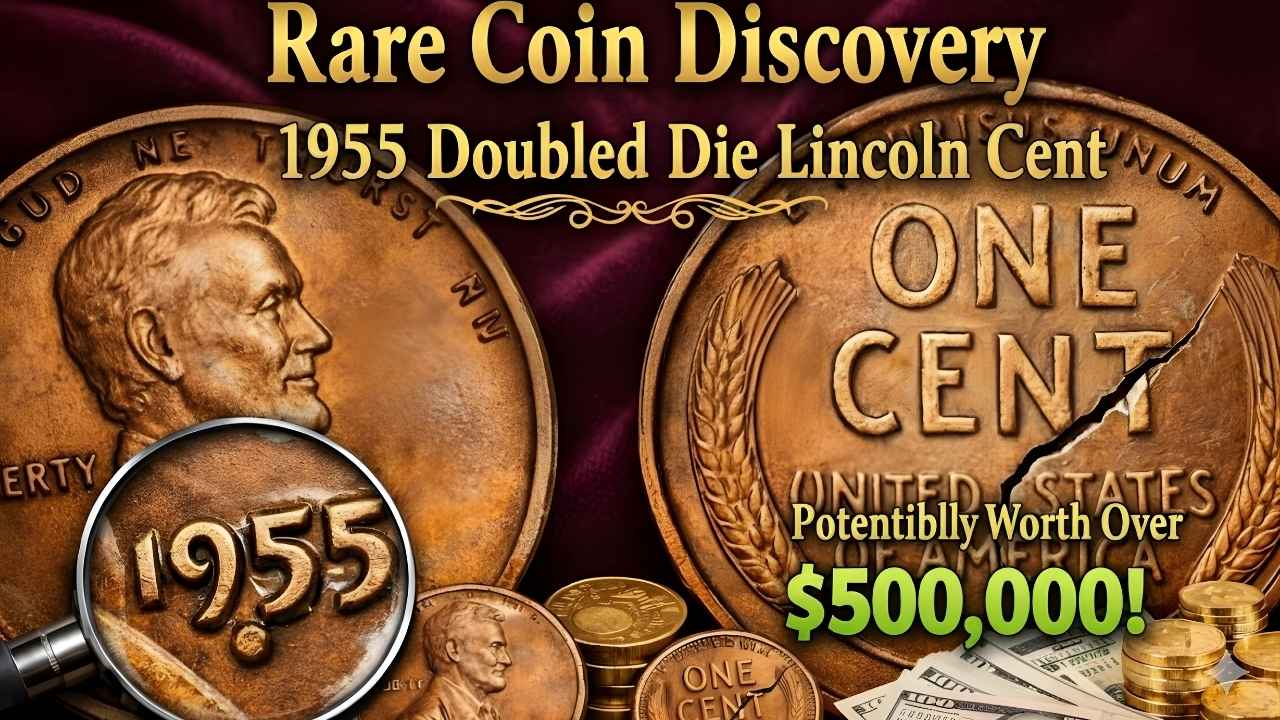
Few coins capture the imagination of collectors quite like the Lincoln Wheat Penny. Introduced in 1909, this small copper coin circulated through decades of American life, from world wars to economic booms. While most examples remain common, a select group of rare error coins have stunned collectors with prices reaching as high as $586,000. These extraordinary pieces prove that even the humblest coin can become a prized artifact when rarity and history combine.
Origins of the Wheat Penny
The Wheat Penny debuted to mark the 100th anniversary of Abraham Lincoln’s birth and remained in production until 1958. Its design features Lincoln’s portrait on the front and two wheat stalks on the reverse, symbolizing prosperity and growth. Over nearly half a century, billions were minted, making them a familiar sight in everyday transactions. Yet among these billions, a handful of unusual coins slipped through the minting process, creating some of the most sought-after collectibles in numismatic history.
Why Errors Attract Collectors
Error coins stand apart because they are accidental. Unlike regular issues, they result from mechanical mishaps, misaligned dies, or the use of incorrect metal blanks. These mistakes are usually caught quickly, so only a few pieces escape into circulation. That scarcity, combined with the story behind each error, fuels collector demand. For enthusiasts, owning one is like holding a moment of minting history that was never meant to exist.
The Legendary 1943 Copper Cent
One of the most famous coin mistakes ever recorded occurred during World War II. In 1943, pennies were supposed to be made from steel to conserve copper for wartime manufacturing. However, a few leftover copper blanks from the previous year were accidentally used. The result was an extremely rare copper version dated 1943. Only a small number are known today, and they regularly command six-figure prices at auctions. Exceptional specimens have approached the $586,000 mark, placing them among the most valuable pennies ever discovered.
The Famous 1955 Doubled Die
Another celebrated rarity is the 1955 doubled die penny. This coin shows dramatic doubling in the date and lettering on the front, visible even without magnification. The effect occurred when the die used to strike the coin was improperly aligned during production. Because the doubling is so bold, collectors quickly recognize it, and demand has stayed strong for decades. High-grade examples are especially valuable, often selling for tens of thousands of dollars.
The Elusive 1922 No D Variety
In 1922, pennies were produced only at the Denver Mint, which normally marked its coins with a small “D.” Yet some coins from that year appear without the mintmark due to a worn or clogged die. These pieces, known as the 1922 No D variety, intrigue collectors because they seem to contradict official production records. Well-preserved examples are rare and can fetch impressive sums when offered for sale.

The Rare 1944 Steel Cent
A similar wartime mix-up created another famous error. By 1944, pennies had returned to copper, but a few leftover steel blanks from 1943 were accidentally struck with the new date. These steel 1944 cents are extremely scarce and rank among the most prized mistakes in the series. When authenticated and graded highly, they can sell for astonishing amounts that rival the most famous coin rarities.
How Collectors Identify Valuable Errors
Spotting a valuable Wheat Penny requires careful inspection. Collectors typically examine the date, mintmark, color, weight, and fine details of the lettering. Reference guides and magnification tools help identify subtle features that distinguish ordinary coins from rare varieties. Professional grading services also play a key role by verifying authenticity and assigning condition grades that influence market value.
Market Demand in 2026
Interest in rare pennies remains strong in 2026 as more collectors enter the hobby through online marketplaces and auctions. High-quality examples and well-known error varieties consistently attract competitive bidding. As awareness grows, even casual hobbyists are checking old jars of coins or inherited collections in hopes of uncovering a hidden rarity. This steady demand continues to support strong prices for the rarest pieces.

Final Verdict
Lincoln Wheat Penny errors represent the perfect blend of history, chance, and value. From dramatic doubled dies to metal mix-ups caused by wartime shortages, these coins tell remarkable stories while offering impressive financial potential. Although most Wheat Pennies are worth only a few cents, a rare error could be worth a fortune. For collectors and treasure hunters alike, the search remains part of the excitement, proving that extraordinary finds can still hide in the most ordinary places.
