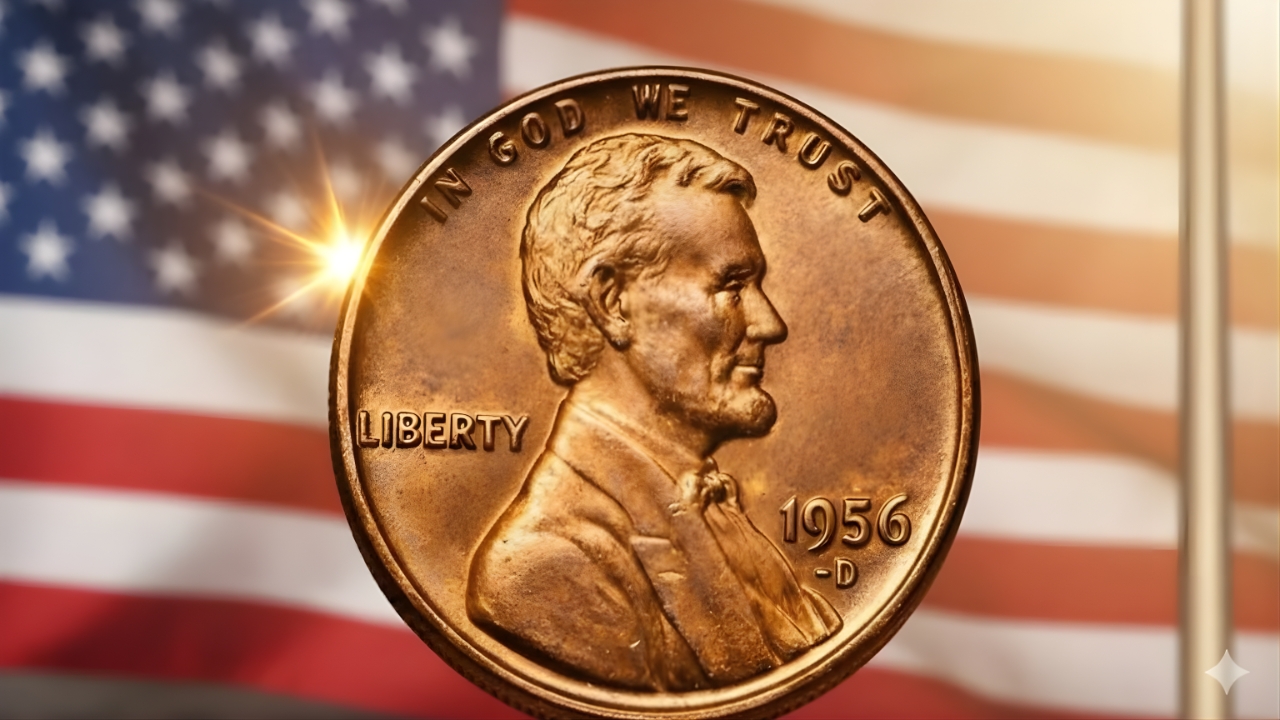
The Lincoln Wheat Penny is one of the most iconic coins ever produced in the United States. First introduced in 1909 to honor President Abraham Lincoln’s 100th birthday, it marked the first time a real historical figure appeared on a regular U.S. circulating coin. For nearly five decades, this humble one-cent piece passed through millions of hands, witnessing wars, economic struggles, and dramatic national change. Today, while most Wheat Pennies are worth only a few cents, certain rare examples have reached astonishing auction prices, including one that sold for over $567,000.
For collectors in 2026, understanding what makes a Lincoln Wheat Penny valuable can turn an ordinary coin into a life-changing discovery.
What Is the Lincoln Wheat Penny and Why Is It So Collectible?
Designed by Victor David Brenner, the Lincoln Wheat Penny features a portrait of Abraham Lincoln on the front and two wheat stalks on the reverse, symbolizing America’s agricultural strength. The coin was minted from 1909 through 1958 before being replaced by the Lincoln Memorial reverse design.
Its long production run means billions were made, but rarity comes from specific dates, mint marks, errors, and exceptional condition. Because the series spans important historical eras, it has become one of the most widely collected coin types in the country.
Many collectors begin with Wheat Pennies because they are affordable and easy to find. However, a small number of rare varieties have elevated the series into the realm of high-value numismatics.
The Penny That Reached $567,000
While headlines sometimes exaggerate coin values, legitimate auction records confirm that certain Lincoln Wheat Pennies have sold for well over half a million dollars. These extraordinary prices typically involve rare mint errors combined with exceptional preservation.
One of the most famous examples is the 1943 bronze penny. During World War II, pennies were struck in zinc-coated steel to conserve copper for military use. However, a few bronze planchets from 1942 were accidentally left in the presses and struck with 1943 dies. Fewer than two dozen are believed to exist, making them legendary rarities.
When one of these coins appears in pristine condition at auction, bidding can climb into the hundreds of thousands of dollars.
Key Dates Every Collector Should Check
Even if you never find a 1943 bronze penny, several other dates are worth searching for in old collections or inherited coin jars.
The 1909-S VDB is often called the king of regular-issue Wheat Pennies. It features the designer’s initials on the reverse and was minted in limited numbers at the San Francisco Mint. High-grade examples regularly sell for substantial amounts.
The 1914-D is another low-mintage rarity that commands strong premiums in all grades. The 1922 “No D” penny is a famous error where the Denver mint mark failed to appear due to die wear, making it look like a Philadelphia issue.
The 1931-S, produced during the Great Depression, also has a low mintage and remains highly collectible. Meanwhile, the 1955 Doubled Die Obverse is one of the most dramatic and recognizable mint errors in American coinage, with bold doubling visible in the date and lettering.
Understanding Condition and Grading
Condition is often the difference between a coin worth $50 and one worth $50,000. Professional grading services evaluate coins on a 1 to 70 scale, with Mint State grades assigned to coins that show no circulation wear.
An uncirculated key date with original luster and minimal marks can be exponentially more valuable than a heavily worn example. Because grading can be complex, serious collectors often submit important coins for professional authentication and encapsulation.
Never clean a coin you believe may be valuable. Cleaning removes the natural surface and can drastically reduce collector demand.
How to Identify a Valuable Wheat Penny
Start by checking the date and mint mark. Mint marks appear below the date on the obverse for Wheat Pennies. A small “S” or “D” indicates San Francisco or Denver, while no mint mark usually means Philadelphia.
Examine the coin under magnification for doubling in the lettering or unusual color and weight differences. For example, a genuine 1943 bronze penny will not stick to a magnet, unlike the common steel version.
Using a precise digital scale can also help. Bronze pennies typically weigh about 3.11 grams, while steel cents weigh approximately 2.7 grams.

Why Lincoln Wheat Pennies Remain Popular
Beyond their potential value, Wheat Pennies connect collectors to American history. Each coin represents a specific year, mint, and moment in time. From Depression-era mintages to wartime metal changes, the series reflects the nation’s evolving story.
The excitement of possibly discovering a rare error or key date keeps collectors engaged year after year. Whether you are searching bank rolls, browsing estate sales, or organizing inherited coins, the thrill of the hunt never fades.
Final Thoughts
The Lincoln Wheat Penny proves that even the smallest denomination can hold extraordinary value. While most are worth only a modest premium, rare dates and mint errors like the legendary 1943 bronze cent have sold for hundreds of thousands of dollars. By learning to identify key features, checking mint marks carefully, and preserving coins in their original condition, collectors increase their chances of uncovering a true treasure. In the world of coin collecting, sometimes a single penny can make history.
