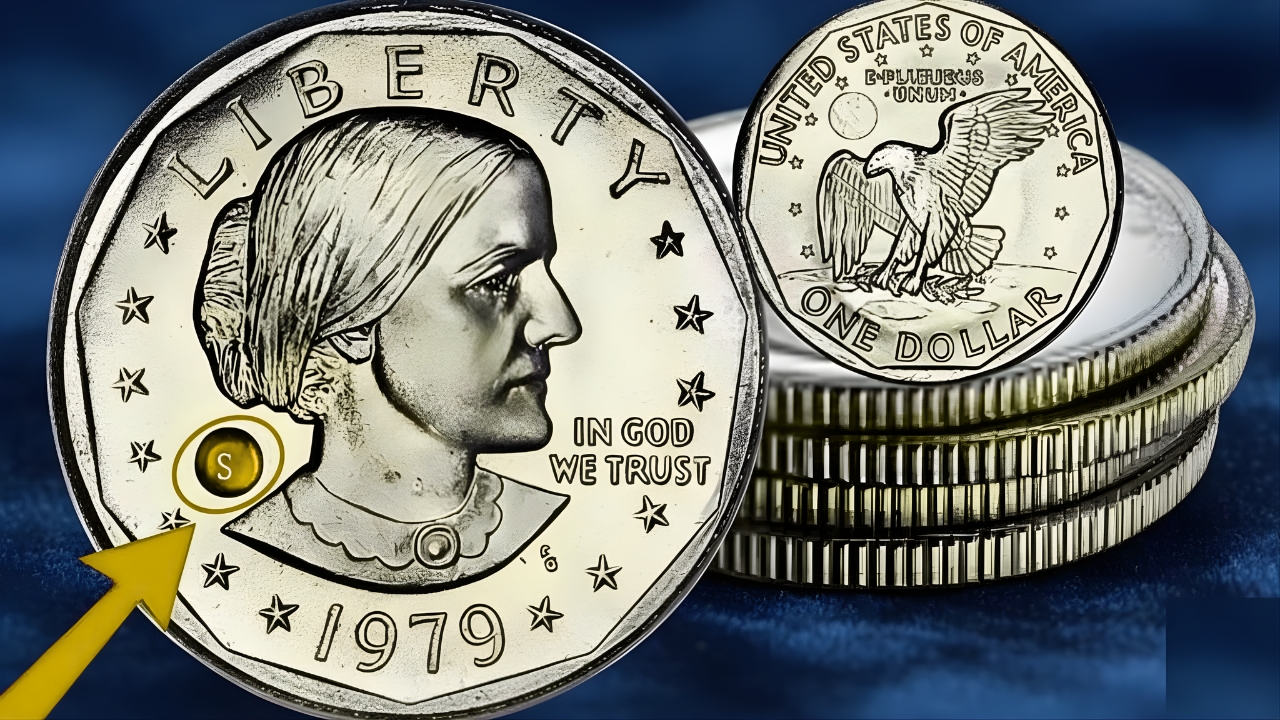
Most of us barely glance at the coins we receive in change. A dime buys almost nothing, and even a silver dollar often ends up forgotten in a drawer. Yet a handful of rare American coins have sold for staggering amounts, transforming small pieces of metal into life-changing discoveries. For collectors, these coins are more than currency—they are artifacts tied to defining moments in American history.
Some of the most valuable coins ever struck by the United States Mint are now worth millions. What makes them so desirable isn’t just age, but scarcity, historical importance, and fascinating backstories.
The 1794 Flowing Hair Silver Dollar
At the very top of the rare coin world sits the Flowing Hair dollar from 1794. Widely considered the first official silver dollar issued by the United States, this coin represents the birth of America’s federal monetary system. The design features Lady Liberty with flowing hair on the front and a small eagle on the reverse.
Because the young nation had limited minting capabilities at the time, relatively few examples were struck, and even fewer survived in excellent condition. One remarkable specimen sold for more than $10 million, setting a record for the most expensive coin ever auctioned. Even heavily worn examples can command six-figure prices simply because of their historic status.
Owning one is like holding a piece of the country’s earliest ambitions—a reminder of a time when the United States was still defining itself.
The Legendary 1804 Silver Dollar
Another icon of American numismatics is the 1804 Silver Dollar, often nicknamed the “King of American Coins.” Despite its 1804 date, most examples were actually produced decades later as diplomatic presentation pieces. These coins were created to be gifted to foreign dignitaries, adding an element of mystery and intrigue to their story.
Only about 15 authentic examples are known to exist. That astonishing rarity has fueled fierce bidding wars whenever one appears at auction. Prices routinely reach into the millions, driven by both scarcity and legend.
Collectors are captivated not only by the coin’s value but also by the unusual circumstances of its creation. Few coins combine rarity, historical intrigue, and prestige quite like the 1804 Silver Dollar.
The 1933 Double Eagle Gold Coin
The 1933 Double Eagle is a masterpiece of American coinage—and one of the most dramatic stories in numismatic history. Designed as a $20 gold coin, it was struck in 1933 during the Great Depression. However, before the coins could circulate, the U.S. government abandoned the gold standard and ordered nearly all Double Eagles melted down.
A small number somehow escaped destruction. Because they were never officially released, their existence became controversial and highly restricted. Over time, a few were legalized for private ownership, and one sold for more than $7 million at auction.

Beyond its beauty, the 1933 Double Eagle symbolizes a turning point in American economic history, when the nation shifted away from gold-backed currency.
Why Some Coins Become Worth Millions
While age and historical importance matter, rarity is often the driving force behind astronomical coin values. When only a handful of examples remain, collectors compete fiercely to secure ownership.
Condition also plays a crucial role. Coins graded in near-perfect condition can sell for exponentially more than worn examples. Even slight imperfections can significantly affect price.
Mint errors add another layer of intrigue. Double strikes, off-center designs, or unusual planchets can turn otherwise ordinary coins into sought-after rarities. These accidental variations are unique by nature, which increases their appeal among collectors.
Could a Fortune Be Hiding in Your Home?
Although finding a multi-million-dollar coin is extremely rare, valuable discoveries do happen. Old family collections, inherited coin albums, and forgotten jars of change have surprised owners before. Sometimes, rare coins remain unnoticed for decades until someone takes a closer look.
If you come across an old coin, check the date, mint mark, and overall condition. Research comparable examples or consult a reputable coin dealer. Professional grading services can authenticate coins and provide an official condition rating, which greatly influences market value.
The excitement lies in the possibility. Every coin tells a story, and occasionally, that story carries extraordinary financial worth.
Final Thoughts
Rare coins like the 1794 Flowing Hair Dollar, the 1804 Silver Dollar, and the 1933 Double Eagle prove that small pieces of metal can hold immense historical and monetary value. While the odds of finding one are slim, the thrill of the search keeps collectors engaged. Before dismissing old coins as spare change, take a closer look—you might be holding a hidden piece of American history worth far more than you imagine.
